Modern medicine is increasingly focused on helping the body heal itself and that’s where stem cell therapy has captured widespread attention. From treating blood disorders to repairing damaged tissue, this science-backed approach is reshaping how clinicians think about recovery and regeneration. In this guide, you’ll learn what stem cells are, how treatment works, where it’s already proven effective, and what risks patients should understand before considering care.
What Are Stem Cells?
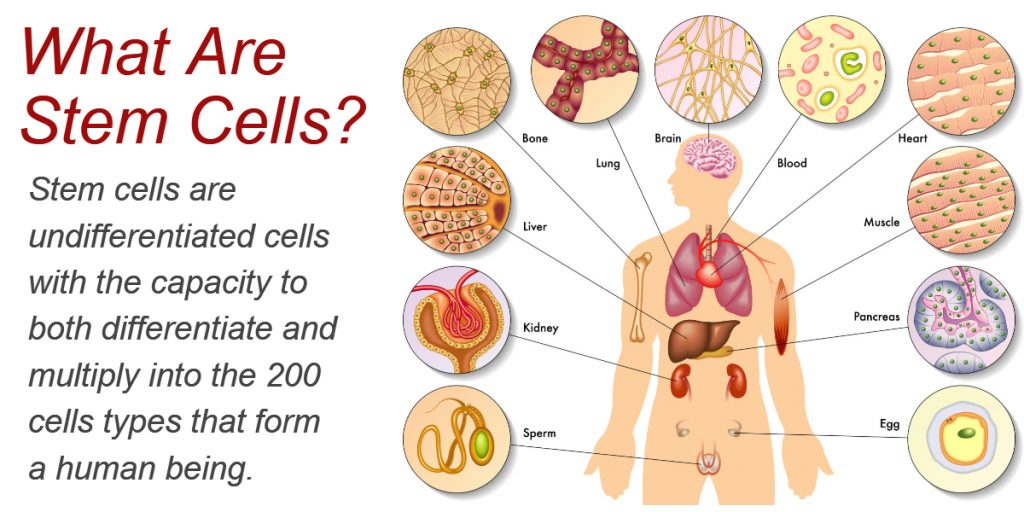
Image Source: https://bioinformant.com/stem-cells/
Stem cells are the body’s raw materials. Unlike specialized cells (such as muscle or nerve cells), they have two defining abilities:
- Self-renewal – they can divide and make copies of themselves.
- Differentiation – they can develop into specific cell types with distinct functions.
Because of these properties, stem cells play a central role in growth, healing, and tissue maintenance throughout life.
Main Sources of Stem Cells
Researchers and clinicians work with several types of stem cells, each with unique characteristics and applications.
| Stem Cell Type | Source | Key Characteristics |
| Embryonic Stem Cells | Early-stage embryos | Pluripotent; can become almost any cell type |
| Adult Stem Cells | Bone marrow, fat, blood | Limited differentiation; widely used clinically |
| Induced Pluripotent Stem Cells (iPSCs) | Reprogrammed adult cells | Embryo-like potential without embryo use |
| Umbilical Cord Mesenchymal Stem Cells | Post-birth cord tissue | High regenerative and anti-inflammatory capacity |
Each source comes with different ethical, regulatory, and medical considerations that affect how it can be used in practice.
How Stem Cell Therapy Works
Treatment typically begins by sourcing cells, either from the patient or from a carefully screened donor. These cells are then processed and delivered to the area of injury or disease through injection or infusion.
Once introduced, stem cells may:
- Signal surrounding cells to repair damaged tissue
- Reduce inflammation that interferes with healing
- Replace or support failing cells
- Stimulate new blood vessel formation
In some settings, this approach is referred to as advanced stem cell therapy, reflecting improvements in cell processing, targeting, and safety protocols.
Proven Uses of Stem Cell Therapy
While research is ongoing, several applications are already well-established and supported by decades of clinical data.
Blood Cancers & Disorders
Bone marrow and blood stem cell transplants are standard treatments for:
- Leukemia
- Lymphoma
- Multiple myeloma
- Aplastic anemia and certain immune deficiencies
These procedures restore healthy blood-forming cells after chemotherapy or radiation.
Corneal Repair
Limbal stem cell transplants can help patients with corneal damage regain vision, particularly after chemical burns or severe infections.
Bone & Tissue Repair
Orthopedic medicine uses stem cells to support healing in:
- Non-healing fractures
- Cartilage injuries
- Tendon and ligament damage
These treatments are increasingly integrated with sports and regenerative medicine programs.
Experimental and Research Uses
Beyond approved treatments, researchers are actively studying stem cells for:
- Neurodegenerative diseases such as Parkinson’s
- Spinal cord injuries
- Heart muscle repair after heart attacks
- Autoimmune conditions
Most of these applications remain in clinical trials, and patients should be cautious about clinics offering them as guaranteed cures.
Stem Cell Therapy Benefits
When used appropriately, a well-designed stem cell treatment may offer several advantages:
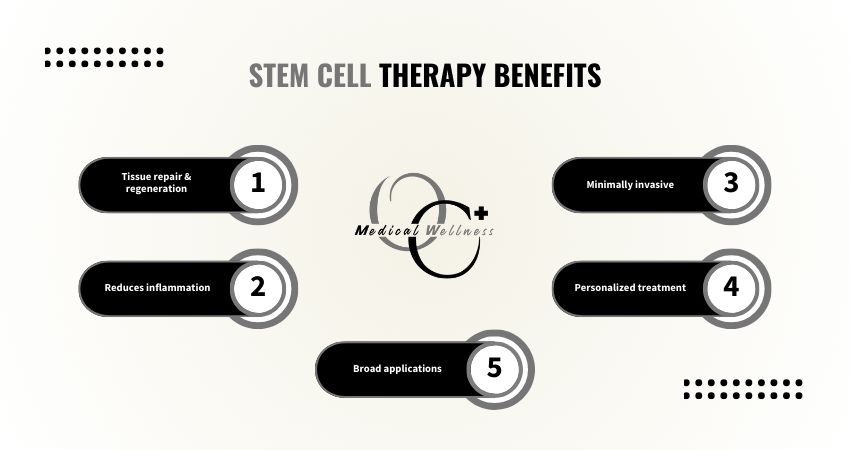
- Tissue repair & regeneration: supports natural healing processes
- Reduces inflammation: helpful in chronic joint or soft tissue conditions
- Minimally invasive: often avoids major surgery
- Personalized treatment: can use a patient’s own cells
- Broad applications: relevant across multiple medical specialties
Related: Can stem cells increase size?
What are Stem Cell Therapy Risks?
Despite its promise, stem cell care is not risk-free. Understanding potential downsides is essential for informed decision-making.
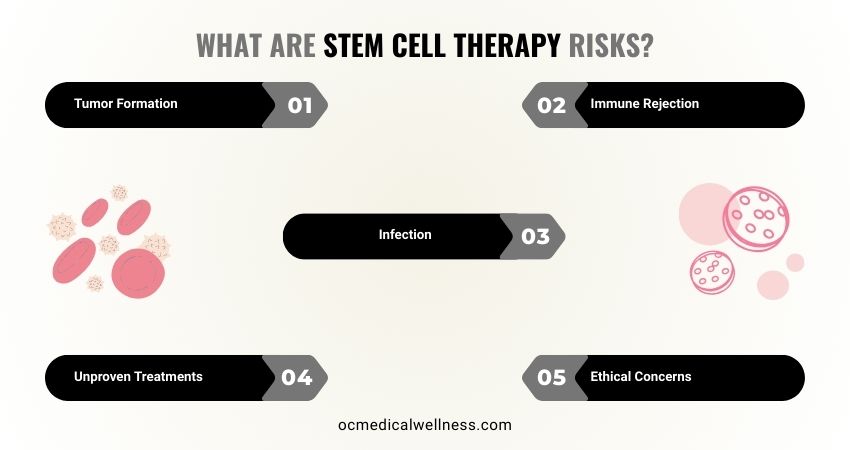
Tumor Formation (Tumorigenicity)
Some cell types can divide uncontrollably if not properly regulated, increasing cancer risk—particularly in experimental settings.
Immune Rejection
Donor-derived cells may trigger immune responses if compatibility is not carefully managed.
Infection
As with any injection or transplant, there is a risk of infection if protocols are not strictly followed.
Unproven Treatments & Exploitation
Unregulated clinics may market unapproved procedures with exaggerated claims. This is one of the biggest dangers facing patients today.
Ethical Concerns
Certain stem cell sources raise ethical questions, influencing how treatments are regulated and where they are legally available.
Summary
Stem cells represent one of the most important frontiers in modern medicine. From lifesaving blood transplants to emerging regenerative therapies, the science continues to evolve. The key for patients is distinguishing evidence-based care from unproven offerings and working with qualified medical professionals who prioritize safety, transparency, and realistic outcomes.
FAQs
Is stem cell therapy FDA-approved?
Some applications, such as bone marrow transplants, are FDA-approved. Many others are still considered investigational.
How long does it take to see results?
Results vary by condition. Some patients notice improvement within weeks, while others may take months.
Is the procedure painful?
Most treatments involve injections and are considered minimally invasive, with mild discomfort.
Are stem cells a cure-all?
No. While promising, stem cells are not a universal cure and should not be marketed as such.
Who is a good candidate?
Eligibility depends on the condition, overall health, and whether evidence supports use for that diagnosis.
Get Help for Stem Cell Treatment
If you’re exploring regenerative options and want guidance grounded in medical expertise, consider Stem Cell Therapy Irvine CA at OC Medical Wellness, led by Dr. Arturo Portales. A personalized consultation can help you understand whether this approach aligns with your health goals and evidence-based care standards.