Autism Spectrum Disorder (ASD) affects millions of individuals worldwide and presents uniquely in each person. Whether you are a parent, caregiver, or someone living with autism, understanding available support options is essential. Autism is a neurodevelopmental condition characterized by differences in communication, social interaction, behavior, and sensory processing.
Common challenges associated with autism may include:
- Delayed or limited speech and language development
- Sensory sensitivities (such as sound, light, or touch)
- Repetitive behaviors or restricted interests
- Emotional regulation difficulties, including meltdowns or aggression
Because autism exists on a spectrum, no single therapy works for everyone. While behavioral, educational, and speech-based interventions remain foundational, researchers continue to explore complementary approaches, including stem cell therapy, to better understand and address underlying biological factors associated with ASD.
What Is Stem Cell Therapy?
Stem cell therapy is a form of regenerative medicine that uses specialized cells capable of supporting immune regulation, reducing inflammation, and promoting cellular communication. Rather than focusing solely on behavioral symptoms, this approach aims to address biological processes that may contribute to certain autism-related challenges.
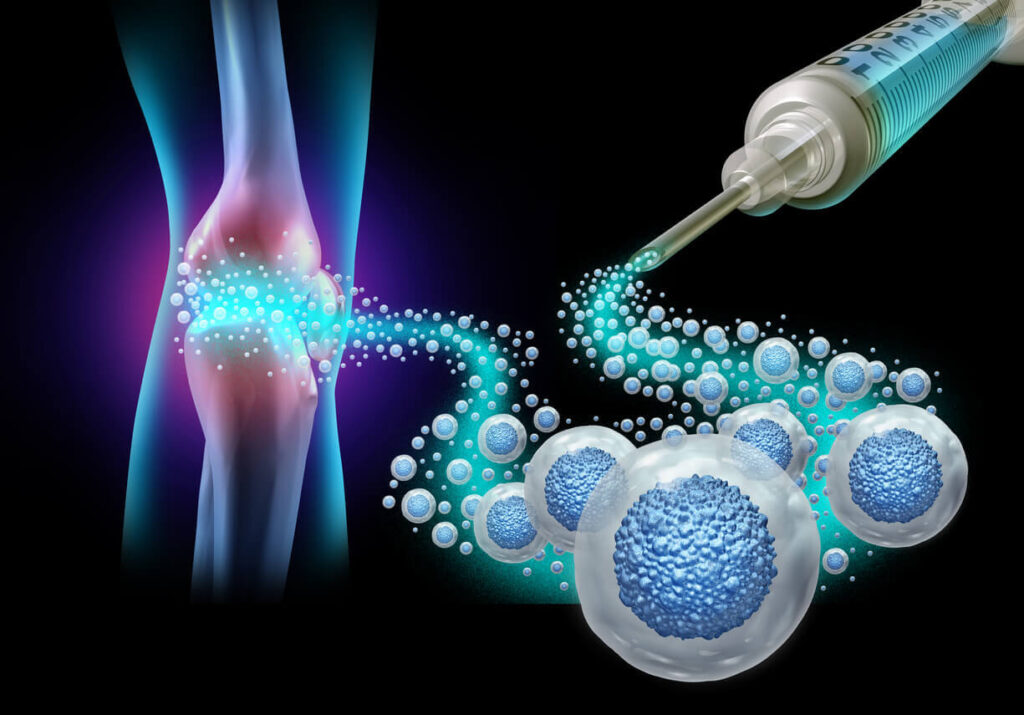
Read More: What Is Stem Cell Therapy? Definition, How It Works & Real Uses
Stem cells are currently being studied for a range of conditions, including:
- Autism spectrum disorder
- Autoimmune conditions
- Cerebral palsy
- Multiple sclerosis
- Musculoskeletal and inflammatory disorders
Common Sources of Stem Cells
Mesenchymal stem cells (MSCs), the most frequently researched cell type in autism-related studies, can be derived from several sources:
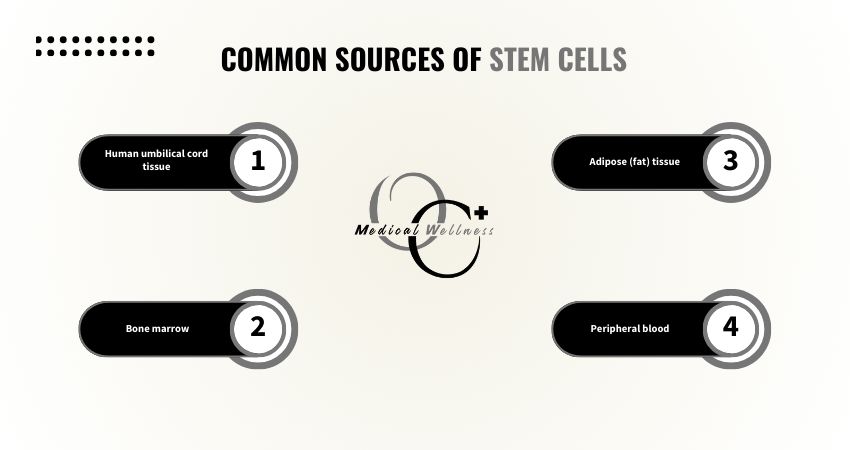
- Human umbilical cord tissue
- Bone marrow
- Adipose (fat) tissue
- Peripheral blood
Each source differs in cell age, collection method, and biological activity.
If you’re exploring advanced, research-informed wellness options, OC Medical Wellness, led by Dr. Arturo Portales, in Irvine, CA, offers personalized consultations focused on education, safety, and individualized care.
How Stem Cell Therapy Is Being Studied for Autism
Emerging research suggests that some individuals with autism may experience:
- Chronic inflammation in the brain or gastrointestinal system
- Immune system dysregulation
- Altered cerebral blood flow or oxygenation
Mesenchymal stem cells are being studied due to their paracrine signaling effects, meaning they release bioactive factors that may help regulate immune responses and reduce inflammation rather than replacing damaged tissue directly.
Scientific literature indexed in major biomedical databases indicates that MSCs exhibit:
- Anti-inflammatory properties
- Immune-modulating effects
- Supportive signaling for cellular repair environments
Important note: Stem cell therapy is considered investigational for autism. It is not a cure, and outcomes vary between individuals. Ongoing clinical research continues to evaluate safety, effectiveness, and long-term outcomes.
Must Read: What Not to Do After Stem Cell Treatment?
Umbilical Cord–Derived Stem Cells in Autism Research
Umbilical cord tissue–derived mesenchymal stem cells are commonly studied due to several potential advantages:
- Ethically collected after healthy, full-term births
- Higher proliferative capacity compared to adult stem cells
- Strong anti-inflammatory signaling activity
- No need to harvest cells from the patient
This approach may be particularly relevant for children with autism, as it avoids invasive procedures and anesthesia.
General Stem Cell Treatment Process for Autism
While protocols vary by provider and study design, treatment processes typically follow strict quality and safety standards.
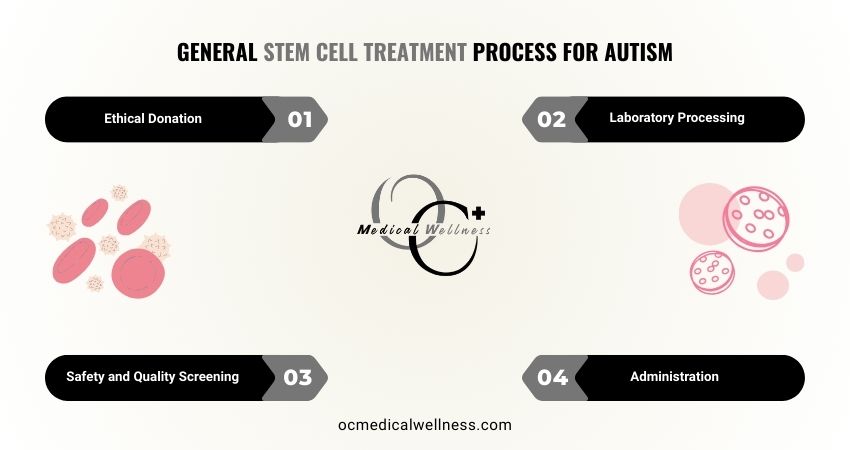
Typical Steps Include:
- Ethical Donation
Umbilical cords are donated following healthy births with informed maternal consent. - Laboratory Processing
Mesenchymal stem cells are isolated, expanded, and prepared in controlled laboratory environments. - Safety and Quality Screening
Cells are screened for:- Viral and bacterial contaminants
- Potency and immune-modulating activity
- Compliance with international safety standards
- Administration
Approved stem cells are administered—commonly through intravenous infusion—under medical supervision.
Uniform dosing and standardized testing help ensure consistency and patient safety across treatment protocols.
Is Stem Cell Therapy an Option for Autism?
Stem cell therapy is not intended to replace established autism interventions such as behavioral therapy, speech therapy, or educational support. Instead, it is being explored as a potential complementary approach that may address biological contributors to certain symptoms.
Families considering this option should:
- Review current scientific evidence carefully
- Understand potential benefits and limitations
- Consult qualified medical professionals
- Avoid clinics making guarantees or cure claims
Responsible providers emphasize transparency, patient education, and evidence-based practice.
How to Evaluate Stem Cell Treatment Providers
When researching stem cell therapy options, consider whether the provider demonstrates:
- Ethical and transparent cell sourcing
- Rigorous safety and screening protocols
- Involvement in peer-reviewed research
- Clear communication about realistic outcomes
- Compliance with international medical standards
Caution is advised when encountering marketing-driven claims or lack of published data.
FAQ:
Is stem cell therapy approved for autism?
No. Stem cell therapy is currently considered investigational and is not approved as a standard or curative treatment for autism.
How does stem cell therapy differ from behavioral therapies?
Behavioral therapies focus on skill development and behavior management, while stem cell research targets biological processes such as inflammation and immune regulation.
Are umbilical cord–derived stem cells safe?
When ethically sourced and properly screened, umbilical cord–derived mesenchymal stem cells have shown a favorable safety profile in research settings.
What types of improvements are being studied?
Researchers are examining potential changes in areas such as social engagement, attention, communication, and gastrointestinal symptoms, though results vary.
Is anesthesia required?
No. Umbilical cord–derived stem cell therapy does not require harvesting cells from the patient.
Who may be eligible for stem cell therapy?
Eligibility depends on age, medical history, and clinical evaluation. A consultation with qualified medical professionals is necessary.
Conclusion:
Autism is a lifelong and highly individualized condition. While stem cell therapy remains an emerging area of research, it continues to be studied for its potential role in supporting individuals with ASD when used responsibly and ethically.
Families exploring this option should prioritize credible science, transparent providers, and realistic expectations. Informed decision-making, guided by medical professionals, remains the most important step in navigating autism treatment options.
At OC Medical Wellness, patients receive personalized, attentive care in a comfortable, professional setting right here in Irvine, California. From your first consultation through every step of your care plan, our dedicated team prioritizes education, transparency, and patient comfort. We take the time to understand your needs, answer your questions, and guide you through your options, so you can focus on making informed decisions with confidence, without the stress of traveling far from home.
Schedule a consultation with OC Medical Wellness Led by board-certified osteopathic physician Dr. Arturo Portales by today to learn more and explore whether this approach may be right for you or your family.