Stem Cells

Stem Cell Therapy Advancing Regenerative Medicine

Harness the body’s natural ability to heal, repair, and regenerate damaged tissues through advanced stem cell science.OC Medical delivers advanced aesthetic services, including injectables, laser skin rejuvenation, body contouring, and medical-grade skincare, with personalized plans that enhance appearance safely and naturally.

Stem Cell Therapy

What Is Stem Cell Therapy?

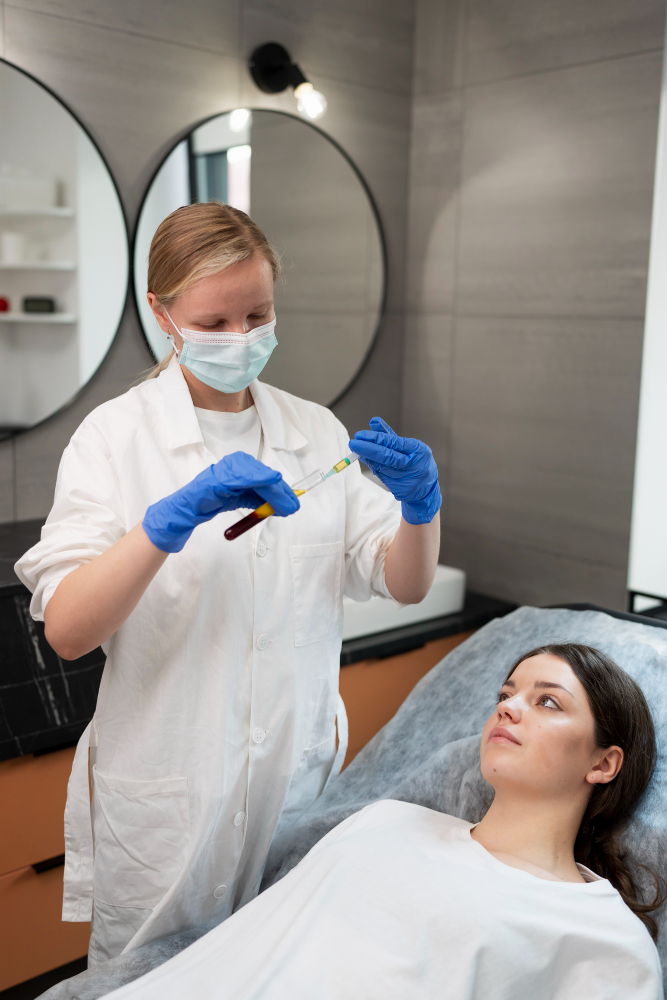
Stem cell therapy is an advanced medical approach that uses the regenerative potential of stem cells to repair damaged tissues and support healing. These unique cells can develop into specialized cell types and play a vital role in restoring normal function across various organs and systems.

Types of Stem Cells

Embryonic Stem Cells

Derived from early-stage embryos, these cells can develop into any cell type in the human body. Their use involves ethical considerations and strict regulatory oversight.

Adult Stem Cells

Found in tissues such as bone marrow and adipose tissue, adult stem cells support repair and regeneration with fewer ethical concerns and established clinical use.

Induced Pluripotent Stem Cells (iPSCs)

Adult cells reprogrammed to behave like embryonic stem cells, offering broad regenerative potential without ethical limitations.

How Stem Cell Therapy Works

Stem cell therapy promotes healing through multiple biological pathways that support tissue repair and regeneration.

Differentiation

Stem cells can differentiate into specific cell types needed for tissue repair (e.g., cartilage, muscle, nerve cells).

Secretion of Growth Factors

Stem cells release bioactive molecules that promote healing, reduce inflammation, and stimulate the body’s natural repair processes.

Homologous Recombination

Stem cells can migrate to sites of injury, integrating into damaged tissues and supporting regeneration.

Benefits of Stem Cell Therapy

Stem cell therapy offers innovative solutions for conditions that traditional treatments may not adequately address.

Regenerative Potential

Stem cell therapy can potentially repair or regenerate damaged tissues and organs, offering solutions for conditions like osteoarthritis, heart disease, and spinal cord injuries.

Reduction of Inflammation

Stem cells can modulate immune responses and reduce inflammation, which is beneficial in autoimmune diseases and chronic inflammatory conditions.

Minimally Invasive

Many stem cell procedures are minimally invasive, often requiring only injections rather than extensive surgical procedures. For example, adipose-derived stem cells can be harvested through liposuction and injected into the treatment area.

Umbilical Cord Mesenchymal Stem Cells (UC-MSCs)

Umbilical cord mesenchymal stem cells (UC-MSCs) are a type of stem cell derived from the Wharton’s jelly of the umbilical cord. These cells are increasingly used in regenerative medicine due to their unique properties and advantages over other stem cell sources.

Multipotency

UC-MSCs can differentiate into various cell types, including osteoblasts (bone cells), chondrocytes (cartilage cells), adipocytes (fat cells), and other mesenchymal lineages. This multipotent nature makes them versatile for a range of therapeutic applications.

Immunomodulatory Properties

UC-MSCs possess strong immunosuppressive abilities, which can help modulate immune responses. This is particularly beneficial in treating autoimmune diseases and reducing transplant rejection.

Rapid Proliferation

These stem cells can proliferate extensively in vitro, allowing for large-scale production for clinical applications. This is advantageous for developing therapies with consistent quality and quantity.

Ethical Advantages

Using UC-MSCs avoids the ethical concerns associated with embryonic stem cells, as they are obtained from discarded placental tissue after childbirth, with consent from the mother.

Mechanism of Action

The therapeutic effects of UC-MSCs are primarily mediated through the following mechanisms

Tissue Regeneration

UC-MSCs can migrate to sites of injury or inflammation and differentiate into the required cell types to aid in tissue repair and regeneration.

Secretion of Bioactive Factors

UC-MSCs secrete a variety of growth factors, cytokines, and exosomes that promote healing, reduce inflammation, and enhance tissue repair processes. These factors can stimulate the proliferation of local cells and modulate the immune response.

Anti-Inflammatory Effects

UC-MSCs can inhibit the activation of pro-inflammatory immune cells and promote the activity of anti-inflammatory cells, thereby reducing the overall inflammatory response in the body.

Applications and Benefits of Umbilical Cord Mesenchymal Stem Cells (UC-MSCs)

Continuing from the previous discussion, UC-MSCs have a wide range of therapeutic applications and benefits across various medical fields

Osteoarthritis*: UC-MSCs can be injected into affected joints to help regenerate cartilage, reduce pain, and improve joint function. Clinical studies have shown promising results in pain relief and mobility improvement.


Tendon and Ligament Injuries: UC-MSCs can enhance the healing of tendons and ligaments by promoting cell proliferation and collagen formation, which are crucial for tissue repair.

Rheumatoid Arthritis: UC-MSCs may help modulate the immune response, reducing inflammation and joint damage associated with rheumatoid arthritis.


Multiple Sclerosis (MS): Preliminary studies suggest that UC-MSCs may help in the repair of myelin and support nerve regeneration, offering potential benefits for patients with MS.

Myocardial Infarction (Heart Attack): UC-MSCs can potentially improve heart function after a heart attack by differentiating into cardiomyocytes (heart muscle cells) and promoting vascular regeneration.


Ischemic Heart Disease: The regenerative properties of UC-MSCs can aid in repairing damaged heart tissue and improving blood flow in patients with ischemic conditions.

Stroke: UC-MSCs may assist in brain repair following a stroke by promoting neurogenesis (the growth of new neurons), reducing inflammation, and enhancing recovery of motor functions.


Spinal Cord Injury: Research indicates that UC-MSCs can help repair damaged spinal cord tissue and improve neurological function through their differentiation and anti-inflammatory effects.

Type 1 Diabetes: UC-MSCs can potentially help regenerate insulin-producing beta cells in the pancreas, improving glycemic control and reducing the need for insulin therapy.


Obesity and Metabolic Syndrome: Their ability to regulate inflammation and modulate metabolic pathways may offer benefits in managing weight and metabolic health.

Chronic Wounds: UC-MSCs can promote healing in chronic wounds (e.g., diabetic ulcers) by enhancing angiogenesis (formation of new blood vessels) and Wound Healing and Skin Regeneration with Umbilical Cord Mesenchymal Stem Cells (UC-MSCs)


Chronic Wounds: UC-MSCs have shown significant potential in promoting healing for chronic wounds, such as diabetic ulcers, pressure sores, and venous leg ulcers. Here’s how they contribute to wound healing

Enhanced Cell Migration and Proliferation

UC-MSCs release growth factors that stimulate the migration and proliferation of skin cells (keratinocytes and fibroblasts), which are crucial for the regeneration of skin tissue. This accelerates the healing process and helps to close wounds more effectively.

UC-MSCs secrete various angiogenic factors, such as vascular endothelial growth factor (VEGF), which promote the formation of new blood vessels. Improved blood supply is essential for delivering nutrients and oxygen to healing tissues, thereby facilitating faster recovery.

Chronic wounds often have persistent inflammation, which can hinder healing. UC-MSCs possess anti-inflammatory properties that can modulate the immune response, reduce swelling, and create a more favorable environment for tissue repair.

UC-MSCs contribute to the production of extracellular matrix components, such as collagen and glycoproteins, which provide structural support to the wound site. This is vital for tissue integrity and durability as healing progresses.

In some cases, UC-MSCs may differentiate into keratinocytes and fibroblasts, directly contributing to the regeneration of skin and underlying tissues.

Clinical Applications

Diabetic Foot Ulcers

A significant challenge in diabetes management, diabetic foot ulcers are often slow to heal. Clinical studies have shown that UC-MSC therapy can lead to faster healing rates and improved outcomes, allowing patients to avoid amputations.

Pressure Ulcers

Patients with limited mobility often develop pressure sores. UC-MSCs can be applied to these wounds to enhance healing and reduce the risk of complications associated with prolonged immobility.

Burn Treatment

UC-MSCs can be used to treat burn injuries by promoting skin regeneration and reducing scarring. Their ability to enhance tissue repair makes them a valuable option in burn care.

What Our Patients Are Saying

Patient Reviews

74 reviews

4.9 ratings

Contact

where we take a whole-body approach to your care. Dr. Arturo Portales and his experienced team not only examine your medical

Newsletter

where we take a whole-body approach to your care. Dr. Arturo Portales.

    © Copyright OC Medical Wellness. All Rights Reserved.

    Privacy & Disclaimer Sitemap